Introduction: The Hidden Threat of Termites
For good reason, termites are frequently called “silent destroyers.” Unlike other pests that announce their presence, termites work quietly, hidden inside walls, floors, wooden furniture, and foundations. By the time most property owners realize there is a termite problem, significant damage has already been done.
Termite infestation is not just a household issue; it affects commercial buildings, offices, warehouses, hotels, schools, and industrial structures as well. If left untreated, termites can weaken the structural integrity of a building and lead to costly repairs.
For this reason, expert termite treatment services are crucial. They do not merely eliminate termites but provide long-term protection, prevention, and peace of mind.
This comprehensive guide will help you understand everything about termite treatment services—what termites are, why they are dangerous, types of termite infestations, treatment methods, benefits of professional services, preventive measures, and how to pick the best pest control business.
What Is a Termite Treatment Service?
A termite treatment service is a specialized pest control solution designed to detect, eliminate, and prevent termite infestations in residential, commercial, and industrial properties. These services use scientifically proven methods, advanced equipment, and approved chemicals to ensure effective termite control.
Objectives of Termite Treatment Services
Detect hidden termite activity
Eliminate existing termite colonies
Prevent future infestations
Protect structural integrity
Reduce repair and maintenance costs
Professional termite treatment services focus on both cure and prevention, making them a critical investment for property owners.
Understanding Termites: What Makes Them So Dangerous?
Termites consume cellulose, which is present in cardboard, paper, wood, and even certain textiles. Since most buildings contain wooden elements, termites find plenty of food sources.
Why Termites Are a Serious Threat
They work silently and remain hidden
Damage is often invisible at early stages
Infestation spreads quickly
Repairs can be extremely expensive
Insurance usually does not cover termite damage
Types of Termites Commonly Found
Understanding the type of termite infestation is crucial for selecting the right treatment method.
1. Subterranean Termites
These are the most destructive and common termites.
Characteristics:
Live underground
Build mud tubes to access food
Require moisture
Damage caused:
Structural weakening
Foundation damage
2. Drywood Termites
Drywood termites live inside wooden furniture and structures.
Characteristics:
Do not require contact with soil
Found in furniture, doors, and wooden beams
Signs of infestation:
Small holes in wood
Dry fecal pellets
3. Dampwood Termites
These termites prefer moist and decaying wood.
Common locations:
Leaking roofs
Damp basements
Water-damaged wooden areas
Signs of Termite Infestation You Should Never Ignore
Early detection can save thousands in repair costs.
Common Warning Signs
Hollow-sounding wood
Mud tubes on walls or foundations
Cracked or blistering paint
Discarded termite wings
Sagging doors or windows
Fine wood powder near furniture
Termite treatment must be done right away if you observe any of these symptoms.
Why DIY Termite Control Is Not Enough
Many people try home remedies or store-bought solutions to control termites. Unfortunately, these methods rarely address the root of the problem.
Limitations of DIY Termite Solutions
Only kill visible termites
Do not reach hidden colonies
Temporary results
Risk of incorrect chemical usage
No long-term protection
Professional termite treatment services ensure complete colony elimination and long-lasting prevention.
Types of Termite Treatment Services
Depending on the type of infestation and the construction of the building, professional pest control organizations offer a variety of termite treatment techniques.
1. Pre-Construction Termite Treatment
Before a building is built, pre-construction termite treatment is applied.
Why Pre-Construction Treatment Is Important
Creates a chemical barrier
Prevents termite entry from the ground
Cost-effective compared to post-construction treatment
Long-term protection
Key Areas Treated
Foundation
Plinth area
Soil around the building
2. Post-Construction Termite Treatment
Post-construction termite treatment is used for existing buildings.
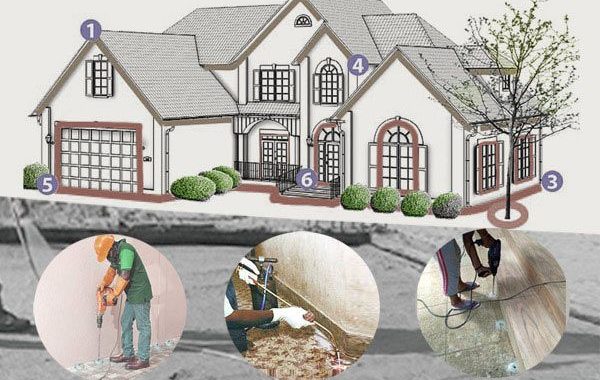
Treatment Process Includes
Detailed inspection
Drilling in affected areas
Chemical injection
Surface spraying
This method targets active infestations and prevents further damage.
3. Soil Treatment for Termites
Soil treatment creates a protective zone around the structure.
Benefits of Soil Treatment
Blocks termite entry
Protects foundations
Long-lasting effectiveness
4. Wood Treatment for Termites
Wood treatment protects wooden furniture and fixtures.
Application Areas
Doors and windows
Wooden cabinets
Furniture
Wooden beams
5. Baiting System for Termite Control
The baiting system is a modern, eco-friendly termite control method.
How It Works
Termite bait stations are installed
Termites carry bait back to the colony
Entire colony is eliminated
Advantages
Minimal chemical use
Environment-friendly
Effective for long-term control
Chemicals Used in Termite Treatment Services
Professional termite control uses government-approved chemicals that are safe when applied correctly.
Commonly Used Termiticides
Chlorpyrifos
Imidacloprid
Fipronil
These chemicals are applied by trained professionals to ensure safety.
Residential Termite Treatment Services
Homes are highly vulnerable to termite infestations due to wooden furniture and hidden moisture sources.
Areas Covered in Home Termite Treatment
Living rooms
Bedrooms
Kitchens
Bathrooms
Storage areas
Wooden furniture
Benefits for Homeowners
Protects investment
Ensures safety of family
Prevents costly repairs
Peace of mind
Commercial Termite Treatment Services
Commercial properties face higher risks due to large structures and constant human activity.
Industries That Need Commercial Termite Control
Offices
Hotels
Restaurants
Schools and colleges
Hospitals
Shopping complexes
Why Commercial Termite Control Is Critical
Protects business reputation
Ensures compliance with regulations
Prevents operational disruptions
Industrial Termite Treatment Services
Industries require specialized termite control solutions.
Key Features
Customized treatment plans
Regular inspections
Advanced equipment
Compliance with safety standards
Benefits of Professional Termite Treatment Services
Hiring professionals offers unmatched advantages.
Major Benefits
✔ Thorough inspection
✔ Complete colony elimination
✔ Long-term protection
✔ Safe application
✔ Expert guidance
Environmental and Health Safety in Termite Control
Modern termite treatment focuses on sustainability and safety.
Eco-Friendly Practices
Targeted chemical application
Reduced environmental impact
Safe for humans and pets
Responsible waste disposal
How to Choose the Right Termite Treatment Service
Selecting the right service provider is essential for effective results.
Things to Look For
Experience and expertise
Certified technicians
Use of approved chemicals
Transparent pricing
Service warranty
Questions to Ask
What type of termite treatment do you recommend?
Is the treatment safe for children and pets?
How long does the treatment last?
Do you provide follow-up inspections?
Preventive Measures to Avoid Termite Infestation
Prevention plays a major role in termite control.
Simple Preventive Tips
Fix water leaks immediately
Avoid wood-to-soil contact
Maintain proper ventilation
Regular inspections
Annual termite treatment
Cost of Termite Treatment Services
The cost varies based on multiple factors.
Factors Affecting Cost
Type of termite
Level of infestation
Size of property
Treatment method used
Frequency of service
Though professional termite treatment may seem costly, it is far cheaper than repairing termite-damaged structures.
Why Regular Termite Inspections Are Important
Termites can return if preventive measures are ignored.
Benefits of Regular Inspections
Early detection
Reduced damage
Lower treatment costs
Continuous protection
Future of Termite Treatment Services
Technology is shaping the future of termite control.
Emerging Trends
Smart termite monitoring
Eco-friendly solutions
Data-driven inspections
Preventive-focused services
Conclusion: Invest in Termite Treatment Before It’s Too Late
Despite their diminutive size, termites may do enormous harm. Ignoring termite infestation can result in severe structural damage, financial losses, and safety risks. Professional termite treatment services provide reliable, effective, and long-lasting protection for your property.
Whether it is a home, office, or industrial facility, investing in termite treatment is not an expense—it is a smart and necessary decision to safeguard your future.
Protect your property today, because when it comes to termites, prevention and early treatment are the only real solutions.